Las Grietas: A Hidden Corner On Lanzarote.

Las Grietas: A Hidden Corner On Lanzarote.

  Las Grietas: A Hidden Corner On Lanzarote.

I’ve been living in Lanzarote since 1993, and I like to think I know the island pretty well. Its landscapes, moods, and quieter corners have all become familiar over the years. But Lanzarote has a way of surprising you. Just a few years ago, I discovered LAS GRIETAS, and it instantly became one of my little favorite spots.

Even though it’s more known now thanks to social media, it’s still one of those places where you feel close to Lanzarote’s volcanic heart quiet, raw, and endlessly fascinating.

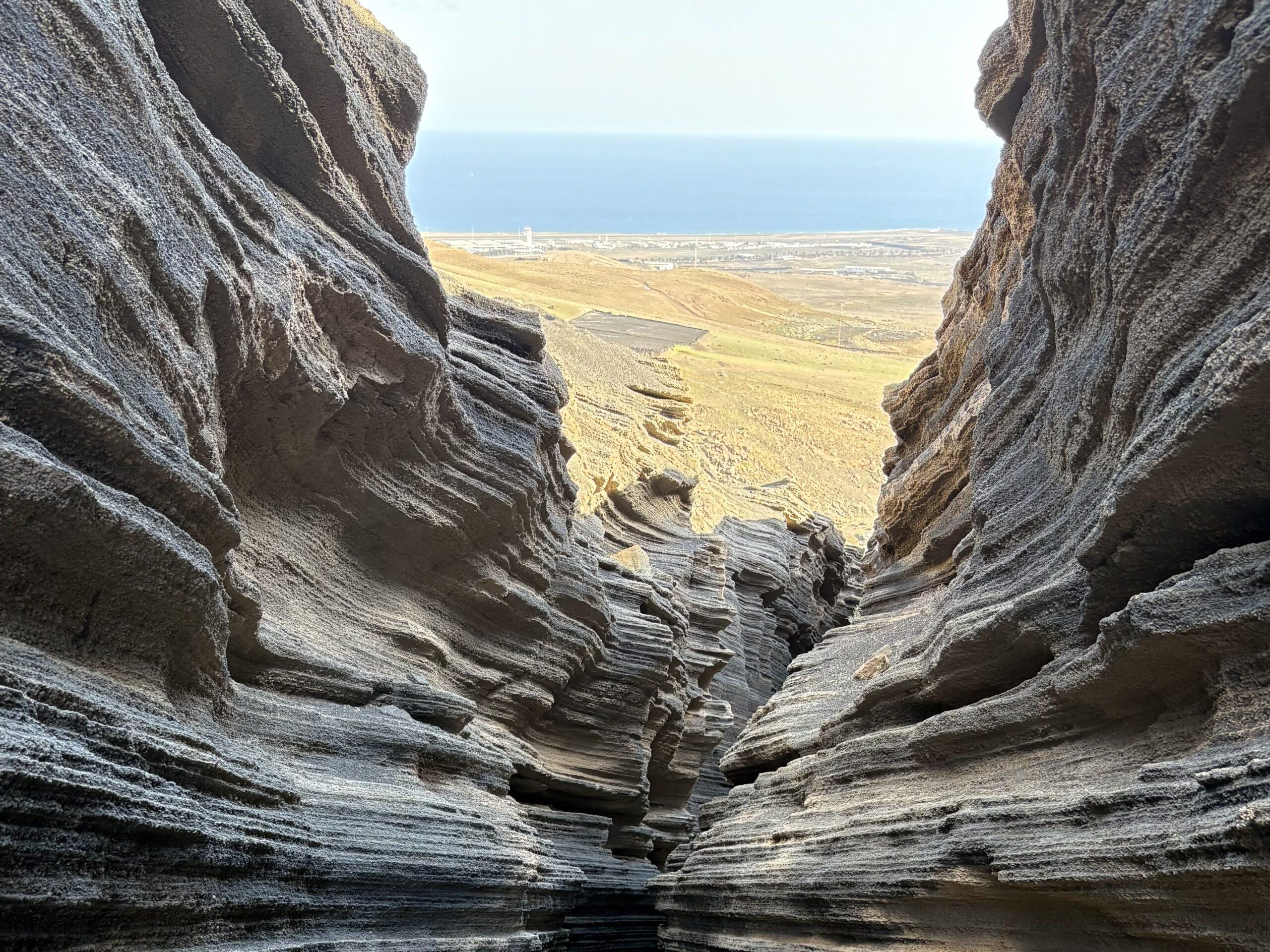
Las Grietas are natural volcanic fissures, formed when lava moved under the surface and cooled, slowly splitting the basalt rock. Walking through them, you don’t need a geology lesson  the place explains itself. The layers of rock, the colours, the textures, all whisper the story of Lanzarote’s CREATION.

What I love most is how accessible it is. There’s no long hike, no entrance fee, no visitor center.  You just arrive, step inside, and suddenly you’re standing inside the history of the ISLAND.

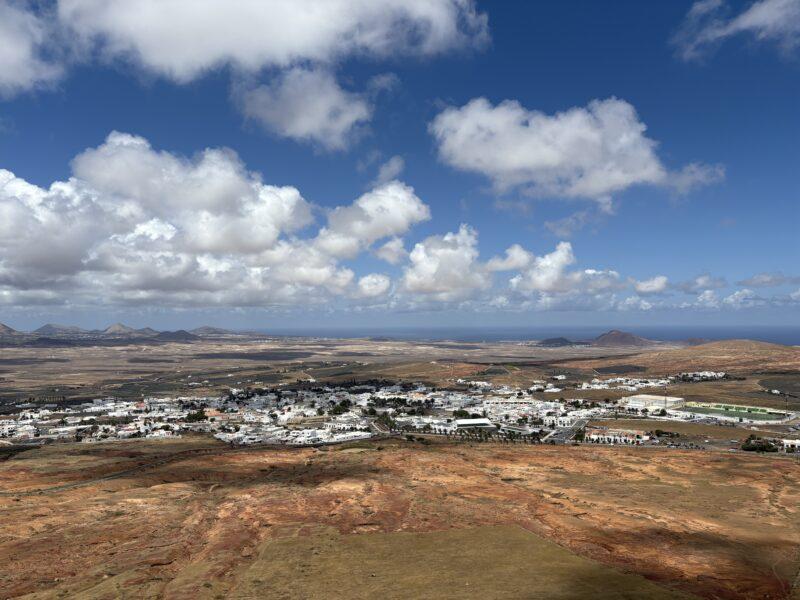
After visiting the fissures, I always suggest taking a few extra minutes to cross the road and walk up the small mountain opposite. It’s an easy walk, and from the top you get stunning views over the city`s of Arrecife and Tías. There’s something MAGICAL about moving from the intimate, shadowed cracks of Las Grietas to seeing the island open up around you.

Inside Las Grietas, the sunlight changes constantly, casting deep shadows and strong contrasts. The walls shelter you from the wind, and there’s often an unexpected sense of calm. It’s one of those places where you can simply slow down, take a breath, and let Lanzarote speak for itself.

What I love about living here is that even after decades, I can still discover new places. My good friends SHELDON & MARIE, who visit Lanzarote more than five times a year, are a perfect example. Every visit, I manage to show them a different corner of the island  from hidden beaches to volcanic trails, there’s always something unexpected to explore.

And it’s easy to see why: even though Lanzarote is only 80 km long, it offers a surprising variety of landscapes, moods, and experiences. That’s one of the things I love most about this island is it always has more to reveal.

A gentle reminder here: Places like Las Grietas are fragile. Wear good shoes, don’t climb the walls, and leave it exactly as you found it. That’s all it takes to make sure these corners remain peaceful for everyone who comes after.

Even after years of living here, Las Grietas reminded me that Lanzarote never stops revealing itself. If you want to understand Lanzarote  not just see it  this little fissure in the volcanic rock has a lot to TEACH.

TO GET TO LAS GRIETAS FOLLOW THIS ROUTE:

  1. Take the LZ-35 road. This is the main asphalt road connecting Tías and San Bartolomé.

  2. If you are coming from Tías, head north/northeast on LZ-35 toward San Bartolomé.

  3. The access point / roadside parking is a small unmarked spot along this same LZ-35.

  4. From the parking area, you’ll walk a few minutes across a pedestrian tunnel under the road and up a short path to the fissures. 

Forged in Lanzarote: Rosemary Nightingale and the Story of The Gazette

Forged in Lanzarote: Rosemary Nightingale and the Story of The Gazette

INTRODUCTION:
I have known Rosemary Nightingale’s name long before I ever met her, through the Gazette’s introduction page. So when I finally met her and she introduced herself, I knew exactly who she was. Since then, we’ve shared many chats over coffee and biscuits, and I absolutely adore her. If I had to describe her in words, they would be: Beautiful inside and out, brave, and compassionate. When you talk to her, you can’t help but feel her young, fresh spirit, her good energy and determination shine through. She’s a doer, not a quitter, and that strength comes through in every conversation. 

What first drew you to Lanzarote, and how did you eventually come to own The Gazette Magazine?

I first came to Lanzarote on holiday with my sister, my daughter, and my Neice. We spent a week together, and on the final night, over dinner, something simply clicked. I remember thinking, I’m going to come back to this island. It was an instinctive feeling I couldn’t ignore, and it wasn’t just for another holiday. When I returned to Preston, I was running two newspapers in the UK. The numbers were strong, and I absolutely loved the work. It was proper old-school copy and paste, the whole process, and I adored it. Print was in my blood, and I was very good at it. But I also knew I couldn’t really move on in the UK because I already had my dream job. I was friends with my boss, the main man who owned 16 titles across Lancashire. His was getting older and clearly unhappy, and I could see the writing on the wall. If I stayed, I would be doing that job forever, and eventually it would become too much. After returning from LANZAROTE, I felt increasingly restless and unsettled, and I realised it was a now or never move. Lanzarote stayed firmly in my mind. I spoke honestly to my boss and told him I wasn’t settling. He told me, “No you don’t, you just need to get it out of your system,” and suggested I take two weeks away, which he paid for. When I came back, nothing had changed. By then, my daughter had already moved to Lanzarote because she knew that’s where I was heading, and that made the decision feel very real. He then said, “Let’s make a deal. I’m retiring in five years. Your job will always be here. What have you got to lose?”

In 1999, I came over to work for a small publication on the island. I knew print, and I understood publishing. Not long after I arrived, the owner stepped away, and I was to manage the business alongside Gaye Perryman and Barry Brown. I’d been there for 18 months, but it quickly became clear that despite the growth, the business was in serious trouble. Money had been misused, printers were refusing to work with us, and the company was effectively bankrupt. When the owner decided to sell, I offered to buy it. After speaking with my former boss and accountants in the UK, I was advised not to buy the business as it stood, but instead to proceed very carefully. Before long it became obvious that nobody would print the magazine; printers in those days stood together in solidarity. I had given up everything to be here on Lanzarote my job, my pension, my security. That moment, difficult as it was, became the turning point. It pushed me to take control of my own future: did I go back or build something properly on my own terms? I decided I would stay, bought the equipment, leased the logo tippo on a monthly basis, created a new company and premises, and moved forward.

Did you ever imagine yourself running your own magazine on the island?

Honestly, yes. Publishing is all I’ve ever done; it’s what I know and what I understand. When the opportunity to take the magazine forward first came up, I was ready to take that chance. The island had something I couldn’t ignore. At the time, there was very little local English-language INFORMATION available. What did exist came out only every few months and didn’t really reflect the life of the island or speak to the wider community. I could see a real gap, something that was needed, and I knew I could fill it. The longer I stayed, the clearer it became that this wasn’t just a job or a business decision. It felt right. It grew out of experience, instinct, and timing rather than ambition. I didn’t plan it. It found me.

What was your vision for the publication when you took over? 

I created it completely from scratch, because what existed before wasn’t even really in English. I changed everything and rebuilt it properly. By that point, I had a real feel for the island and for the people living and investing there, and we started gaining a real following in 2003. My vision was simple but very clear: people who were heavily invested in Lanzarote through property, businesses, or long-term living were not being given basic information in an English-speaking format about what was actually happening on the island. I don’t mean English as in nationality, but English as a shared, international language. It’s my language, yes, but it’s also the common language for people from all over the world, which is why the magazine eventually attracted subscribers GLOBALLY.

Another key part of my vision was balance. I was determined to keep both residents and tourists happy, even though many people told me that wasn’t possible. The magazine wasn’t funded externally, so it had to work commercially. I followed a clear structure, around 60% advertising and 40% editorial, which allowed me to combine both markets into one publication. It wasn’t easy, but I knew it could work. We built the magazine layer by layer. I had a very clear picture of what I wanted, and I laid strong foundations from the beginning alongside my team, who were instrumental in the process. Everyone brought something valuable to the table, and we worked extremely hard together. Many of the team were with me for over 15 years and became like a FAMILY.

What we created grew from a very small publication into a monthly magazine of 132 pages, with a print run of 10,000 copies. We had to print off-island, Sabater in Tenerife, because no local printer could handle that volume at the time. I was heavily involved in the production process and worked closely with the printer to get the format exactly right. We continued to give the 10,000 magazines free, but there was never enough available to satisfy demand due to its success. We expanded into airports, supermarkets, and key distribution points across the island for a 2€ charge. What started as something very small became a strong, professional publication that truly served the island and its community.

We also developed a strong lifestyle section, which covered everyday life on the island: gardening, homes, how people were living, and what was happening locally. We featured restaurants regularly, including all the nationalities on the island, which helped people who were living here really integrate and discover the island beyond the tourist experience. What made it work was the people. We were very fortunate with our team. Over the years, we had people from the UK, Norway, Ireland, Spain, and Portugal — a real mix. The only essential requirement was that everyone spoke English, because it was an English-speaking publication and communication in the office had to be clear. Beyond that, diversity was a strength. Everyone brought something different, and it created a very special working ENVIROMENT.

The magazine became a reflection of real life on the island. It wasn’t just “good news” or glossy features; it was real news. We covered everything: local issues, recycling, policing, transport, and community stories. We ran features like “a day in the life of,” spending time with recycling teams, police, and photographers — all the moving parts that make the island work. These features became cyclical and familiar, and people connected to them. We also did interviews with local figures when something important needed to be discussed, such as mayors, officials, and people shaping the island. Over time, the magazine helped readers feel integrated and understand how things worked here, from public services to cultural LIFE.

There was something for everyone: serious journalism, community stories, lighter lifestyle pieces, even the crossword. It became bigger than me much bigger. I had the time to build it properly, steadily, layer by layer. We kept it fresh, visual, and high quality, investing heavily in print because we wanted it to be something people would keep on their coffee tables and pick up again and again.

One moment really brought that home for me. A retired English judge came into the office one day wearing a tweed suit, clearly upset. He told me two Gazette magazines had gone missing from his home library and asked if I could help replace them. The emotion in him made me realise just how deeply people trusted and relied on the magazine. That moment showed me we weren’t just producing a publication anymore we were part of the COMMUNITY.

What made The Gazette different from others? 

The most important thing for me was consistency and connection. News doesn’t stop just because people are on holiday or living part-time on the island. Many of our readers owned holiday homes or were only here for part of the year, but they still wanted and needed to stay informed. My vision was always to help people keep up with what was happening not just the big stories, but the everyday reality of life on the island. Even when people weren’t physically here, they still wanted to feel connected, to know what was changing, what mattered, and what affected their lives and INVESTMENTS.

We focused on staying in touch with the island constantly. Keeping up with the news, the articles, the ongoing stories. It wasn’t about sensationalism; it was about relevance and reliability. I wanted readers to trust that when they picked up the magazine, they were getting a true picture of the island at that moment. That sense of continuity, of always being informed, was central to my vision from the very beginning. To achieve this, The Gazette sent 500 magazines every month to different countries across Europe, allowing people to follow the news from abroad and stay connected to LANZAROTE.

Which editorial editions are you most proud of and why? 

I’m proud of all of them, really. Each edition had its own significance, and some naturally stand out more than others, often because of the cover or imagery. One edition I’m particularly proud of involved a very special story about DAVID CAMERON, who was the UK Prime Minister at the time. He came to Lanzarote for a private holiday, staying at a place called Flora in La Geria. I knew that in England people like Michael Palin had brought attention to Lanzarote by calling it Lanzagrotty, and I thought it would be wonderful to have a personal perspective from David Cameron himself.

I wrote to him, explained the story about Michael Palin, and asked if he could share a paragraph about the island. I didn’t hear back immediately and assumed he had left the island. Then, days later, while I was on holiday myself, I received an email from him. Not just a paragraph he sent three long paragraphs describing how much he loved the island, going into detail about his favourite places to eat and saying it was one of the best holidays he’d ever had. It was amazing because he saw the same Lanzarote that I LOVE and wanted to share it with others. His last line said it was certainly not grotty.

What are the toughest decisions you’ve had to make as the owner? 

The toughest decisions were always about letting go. When the global recession came in 2008, there was virtually no print on the island except The Gazette. I had to let go of all our other products Viva, Insel, Fuerteventura, and the specials we produced for others. It was the end of a chapter, but I couldn’t let go. I had poured so much into building an empire: my time, my energy, my heart. Stepping back felt impossible.

We had a large team. Many went back to their own countries, but the GAZETTE family was at home here, with families, mortgages, and lives they couldn’t leave myself included. That period was one of the most challenging in my life. I had no clear path and wasn’t sure how we would get through it. The Gazette was my baby, and I realised it would break me to lose it. We moved forward not knowing if we would survive the crash or lose everything. It was a gamble, but one worth taking.

We gave up the office we had invested in and produced the Gazette from my home for a while to see if we could pull it off. The Gazette family were incredible. We all pulled together, and I have never felt prouder of their support and belief in me.

In 2019, when my mother was coming to the end of her life, the Gazette team repaid that loyalty. They kept things running for 10 days of each month so I could be with her, and I returned for 10 days to see the Gazette off to print. We did this for six months. When my mum died, I couldn’t settle. I had lost several key people in my life and needed time out. I signed over the Gazette to the team in January 2021. Watching the magazine continue to thrive under the Gazette family gave me peace, even through the uncertainty of COVID. Today it is digital and has moved forward in leaps and bounds. The hardest part was accepting that sometimes, no matter how much you love something, the best thing you can do is let it grow without you.

Looking back on that chapter of your life, how do you feel now?  

I feel an immense sense of pride and gratitude. I was incredibly fortunate, but it wasn’t just me. Without my team, I wouldn’t have had a chance. They were like a family loyal, supportive, and committed. One story always stands out: during the crash, a small antique shop in ARRECIFE insisted on paying what they owed, even when I told them it wasn’t necessary. Instead, they offered me two very old maps of Lanzarote, which I had framed and still treasure today. Moments like that show the integrity and quality of people on the island.

We worked long hours, argued over details, celebrated every edition when it went to print, and shared a sense of teamwork that made the whole process magical. I also had incredible support from subscribers and advertisers, which reinforced a simple truth: you cannot do something like this alone. The journey is always about the people around you and the community you SERVE.

What are you doing currently, Rosemary?

Right now, I’m busy with a couple of important projects. I’m working with my sister in America on an initiative that’s very close to our hearts. It’s about what we all share in common and the sense of belonging we all have, with the aim of teaching children from a young age that we are all connected. If it succeeds, it has the potential to be global.


I’m deeply involved with the non-profit GASQUE SPORTS FOUNDATION because I believe every child on Lanzarote deserves the chance to experience sport no matter their background, finances, or ability.Over 40 years ago, Kenneth Gasque brought IRONMAN to Lanzarote and changed the island forever. It transformed our economy, our identity, and created opportunities that so many have benefited from.

When Kenneth was honoured with a statue, he said he wanted to give back. For him, success is responsibility and that’s why we formed this non-profit Foundation. Sport has given so much to Lanzarote. Yet there are still children who, for financial, social, or physical reasons, don’t have real access to participate.That is not acceptable. This is about inclusion, opportunity, and leadership  stepping up as a community, as businesses, as institutions, to give every child the CHANCE to belong, to grow, to discover what they can achieve. If sport helped build this island, then it must now help build its future.


Our island. Our children. Our responsibility.

Los Charcones: A Story of Wild Beauty and Quiet Magic

Los Charcones: A Story of Wild Beauty and Quiet Magic

Los Charcones: A Story of Wild Beauty and Quiet Magic

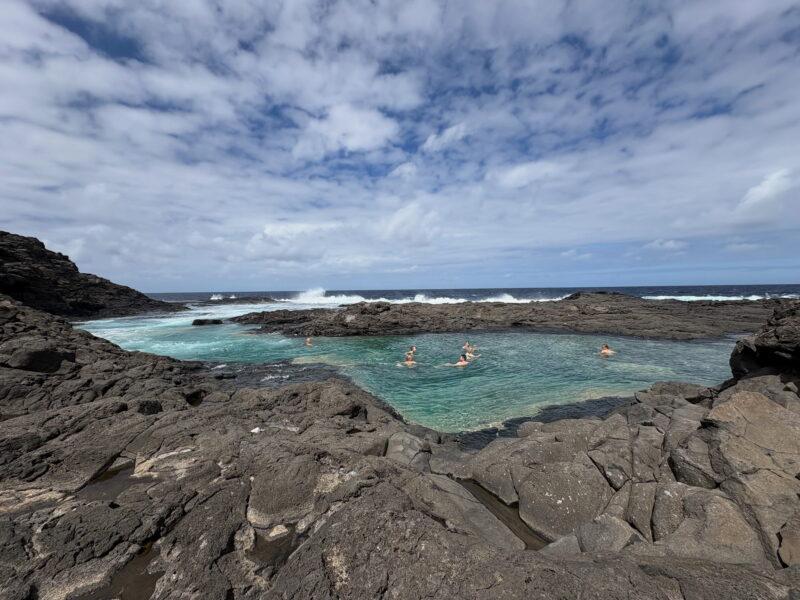
There is a place on the western edge of Playa Blanca where the ocean seems to breathe a little deeper. A place where the volcanic cliffs meet the Atlantic with a steady, honest strength. No sand, no promenade, just nature being exactly what it is. This place is called Los Charcones, though for many years it lived mostly in quiet conversations, shared only by those who held LANZAROTE close to their hearts.

I first went there in the early nineties, when the island still felt wonderfully unhurried. A friend of mine told me about some natural pools beyond the lighthouse, and there was something in the way he mentioned them that stayed with me. So one morning I climbed into my jeep and set off along the dusty tracks, not entirely sure what awaited me.

The road was rough back then, the kind that makes you slow down, pay attention, and wonder if you should just turn around and enjoy your Sunday at the beach instead.

When I finally reached the coastline, I felt myself pause. The landscape was wild and beautiful in a way that felt almost intimate. Dark lava fields shaped by years of tide and weather, quiet pools carved naturally into the rock, and the Atlantic stretching endlessly in the the horizon.

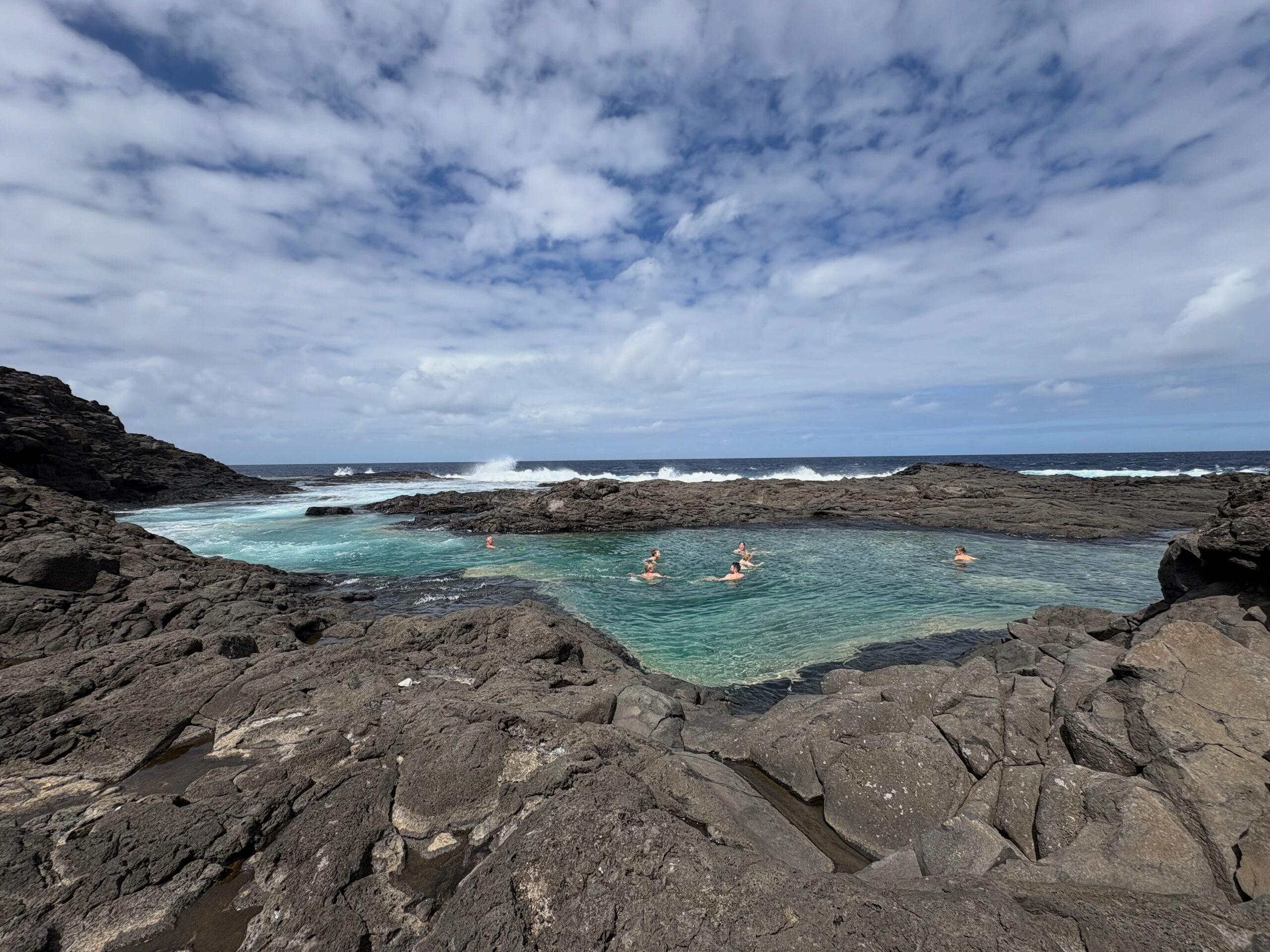
The pools shimmered with a clarity that almost didn’t seem real. The waves crashed nearby, but the pools themselves stayed calm, protected, as if the island had set them aside for anyone willing to make the journey. There were no footprints, no noise, no reminders of anything except the moment right in front of me.

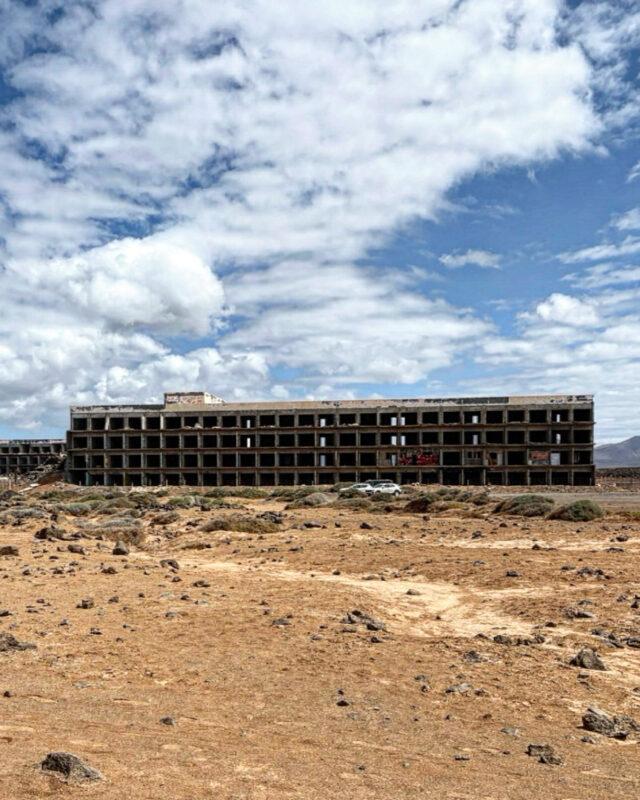
Just before you reach the pools, there is the unfinished hotel a concrete structure that has stood there for nearly forty years, never completed, always weathered by sun and wind. To many of us, it feels like a misplaced idea the island simply refused to accept. And yet, over time, it has become part of the approach. Seeing it rise in the distance has a strange comfort to it; it means you’re almost there, almost at the part the island protected for itself.

All these years later, Los Charcones hasn’t lost its magic. The pools still feel quiet and almost sacred, as if the island is still watching over them. And respect is essential here. The coastline is open to the Atlantic, and the sea can change quickly. It’s important to check the tides, to keep a safe distance when the water is rough, and to move carefully across the volcanic rock. This isn’t a place to rush, It’s a place to understand.

One of the simplest but most important things is to take everything back with you. There are no bins, no facilities, and that’s part of what makes Los Charcones feel the way it does. Over the years I’ve seen how even small bits of rubbish can interrupt the quiet beauty of a place like this. The magic stays only if we care for it.

Walking along the coastline, you can still discover pool after pool, each one shaped differently. Some are shallow and peaceful; others are deeper, glowing in shades of blue and green that feel almost like a secret. The silence here isn’t empty. Its filled with the sound of waves, the touch of wind, and the quiet energy that makes Lanzarote feel both wild and welcoming.

Sharing Los Charcones with family and friends has become something I cherish. Seeing their faces light up when they first take in the pools, watching them pause the way I once did makes the place even more meaningful. Each visit becomes a moment you carry with you.

When you finally walk away, leaving only your footprints on the rock, you understand why Los Charcones has stayed a treasure for so long.  It’s not just a place. Its a reminder that some places keep their magic only when we treat them with care.


Also Read:

My Favourite Must See Places

IRONMAN 2018 BEHIND THE SCENES

A great day at Volcan De La Corona


Kenneth Gasque: A Sporting Legacy in Lanzarote

Kenneth Gasque: A Sporting Legacy in Lanzarote

How one man turned Lanzarote into the IRONMAN capital of Europe.

I first met Kenneth Gasque and his beautiful, loving wife Anna Lis years ago, when I was one of the Danish guests invited to a traditional Christmas dinner in the village of Tinajo on Lanzarote, graciously hosted by friends connected to the island’s sports community. Even then, their warmth and charm left a lasting impression.

Today, I had the honor of visiting Kenneth at his home in Puerto del Carmen, sitting out on his terrace and talking with him about his fascinating career and life. Honestly, I could have spent days listening to his adventurous stories.

There’s no doubt that Kenneth has a lot to teach not just when it comes to career and sport, but on a personal level too. During our conversation, I really felt that behind all the incredible success, there’s a deeply thoughtful and inspiring person.

You quickly notice that you’re sitting in front of a man with real discipline, sharp intuition, and a very observant nature. You can also sense how determined he is. Once he sets his mind to something, he makes it happen. And at the same time, I’d say he’s a man with a truly good heart.

When I created my website, Lanzarote-Living.com, and started the section Voices of Lanzarote, Kenneth was honestly one of the very first people who came to mind. His story, his energy, and everything he has done for this island make him such a natural voice to include.

He’s one of the people who has helped put Lanzarote on the world map, thanks to the incredible sporting events he’s organized here over the years. The IRONMAN race, for example, has even been shown on Danish television. And just recently, Kenneth was honored with his own statue in Puerto del Carmen, placed right at the starting point of the IRONMAN race. It was a gift from the Sports Councilor of the Cabildo, Sr. Monzón, as a tribute to everything Kenneth has contributed to the island.

Kenneth continues his mission today as the founder and organizer of Ocean Lava, a triathlon series inspired by the same spirit as IRONMAN, but in a slightly less intense format. Through Ocean Lava, he’s still creating meaningful experiences for athletes and continuing to promote Lanzarote to the world.

Alongside this Kenneth is the founder of The Gasque Sports Foundation, which is dedicated to building a fairer, more inclusive sports community on Lanzarote.

In 2019, Kenneth was honored on the island of Hawaii, in the city of Kona, where he received the IRONMAN Hall of Fame Medal. A celebration was made in his honor, and to this day only four people in Europe have received this medal.

In 2022 Kenneth received a royal medal from King Frederik of Denmark a recognition that reflects not only his professional achievements, but also the positive impact he’s made across borders and communities.

During my visit, he also showed me a treasure trove of memories: his many medals, photos, and scrapbooks filled with autographs from famous people around the world. But the biggest surprise came when he showed me the enormous number of paintings he has created over the years. I had no idea Kenneth also had such an artistic side!

One painting stood out to me in particular, and to my surprise, he gave it to me signed and everything. I was deeply honored.

As I left Kenneth and Anna Lis’s home that day, I carried more than just the painting with me. I carried the stories, the wisdom, and the quiet inspiration of a man who has spent his life turning vision into reality. Not just for himself, but for an entire island.


INTERVIEW:

What originally brought you to Lanzarote? 

I served as a soldier in the Royal Life Guard in Denmark, where, in my final years, I was responsible for physical training. I also taught at the Military Sports Academy

I was contacted by a man I knew, a professor of science and physiology. He asked me to organize the sports department and activities for La Santa Sport. I had never heard of Lanzarote before. When we arrived, it was a rainy spring. The landscape was barren, no trees, everything brown  yet there was something uniquely attractive about the island. I accepted the job, originally for two years, but I’ve now been here over 40 years.

At first, my friends from the army left, one after a year, another after two and a half years leaving me alone. I had the freedom to organize activities as I wished. During quieter periods, I initiated a small competition called the Volcano Triathlon, which became Spain’s first triathlon in 1984. We swam in the lagoon, biked up to Tinajo, and circled back. Not only participants, but also guests at the center watched and applauded. The winner of the first event was a world champion. People were excited, promising to return the next year.

Over time, I developed a weekly mini-triathlon: swimming 400 meters in the OL pool, cycling up to Tinajo, and running for about 50 minutes. Participation grew steadily until we had more than 100 people taking part each week. I also started a Jane Fonda league program for girls which had great participation.

How has the island changed since you first arrived?
The island has changed considerably. The population has grown, there are more cars, and the island is cleaner than the mainland Spain and Mallorca. People here are friendly, open, and flexible. They enjoy life through parties, festivals, church events, and school celebrations — creating a social richness far beyond what I experienced in Denmark. Lanzarote has changed for the better.

It can be difficult for foreigners to form friendships here, but I was fortunate to meet supportive and open people who made life more positive.

Can you tell us how the idea for IRONMAN came to life?
The IRONMAN competition started small, with 167 participants, 8 of whom were women. The number of finishers was 117. I trained daily to participate, including running, cycling, and stretching. Over time, the event grew in scale and gained international attention.

Organizing the events involved complex logistics: traffic control, police coordination, and venue selection. Local authorities were supportive, and over the years rules and regulations became formalized. Support from local friends, Spanish residents, and businesses was essential.

A key figure in The Winerun was Mr. German, the nearly 80-year-old owner of Bodega Rubicon. For the first three years, he generously funded the event, supplying wine, prizes, and food and refreshments for participants at the finish line. His support allowed me to focus on organizing logistics and running the competition itself.

What were some of the biggest challenges in organizing the first event?
The first IRONMAN wasn’t too difficult. The police were supportive initially, ensuring roads were clear and safe. Later, coordinating multiple locations, larger groups, and international participants became more challenging. I relied on good people around me, both locals and volunteers, to handle logistics.

Sometimes, management tried to interfere or complicate things. I faced internal conflicts and “knives in the back,” but I focused on the guests and the event, ensuring it ran smoothly. Over time, each edition of the IRONMAN became stronger and better organized.

What personal experiences influenced your approach to organizing these events?
I learned the importance of faith, opportunity, and persistence. Many encounters felt coincidental but opened doors, from meeting supporters to solving logistical problems.

My approach to events and life is the same: focus on what matters, follow opportunities, and believe in yourself.

How do you reflect on your achievements on Lanzarote?

 I’ve seen the island, its community, and myself grow over decades. From small triathlons to international IRONMAN competitions, the challenges, successes, and chance encounters shaped my life.

Lanzarote is not just a home; it’s a canvas for sport, community, and personal growth. Every opportunity seized, every challenge overcome, and every person met contributed to a life far richer than I could have imagined.

Are there any hidden gems or local places you love that most people don’t know about?
Lanzarote is full of hidden gems from caves to quiet beaches to tucked-away villages. What I love most is that you don’t have to look far; there are special places all over the island just waiting to be discovered.

Do you have a favorite memory from all your years involved with IRONMAN?
Yes, absolutely. One of my most unforgettable memories was helping a Spanish athlete in a wheelchair. He had to complete the swim, then transition to a special bike, and finally to his wheelchair for the run. I helped him out of the water and through those transitions.

Another year, one of the competitors, Marc Herremans, had a solo accident on his bike in Haría while tranning weeks before the competition. He broke his back, but returned years later and finished the competition in 13 hours. Both memories were such emotional and inspiring moments, a reminder of the incredible spirit of IRONMAN.

You have inspired countless athletes. Who or what inspires you?
What inspires me most are the people I meet and the values they represent. Their dedication, perseverance, and passion continue to motivate me every day.

Has the island taught you anything about yourself?
Yes, it has. The island has shown me that all of your dreams  even the wild ones really can come true.

Is there something you believe now that you didn’t when you first arrived?
Yes. Over time, I’ve come to truly believe in three simple but powerful things: swimming, biking, and walking. Staying active and taking care of your fitness is the key to keeping yourself healthy and alive.

What is your current project? What are your future projects at the moment?
My main focus right now is The Gasque Sports Foundation, a sponsorship initiative with a simple but powerful mission: to create a fairer community with equal opportunity and access to sport here in Lanzarote. No child or young person should be left behind because of special needs or financial limitations.

We believe it’s possible to remove boundaries, fulfill dreams, and build self-esteem by inspiring children and youth through sport. For us, success isn’t measured only in medals, but also in confidence gained, friendships formed, and dreams realized. At Gasque Sports, we provide the support and resources to harness the unique experiences that only sport can offer.


FINAL WORDS:

On behalf of Kenneth Gasque:

I would like to welcome you to the Gasque Sports Foundation Gala Dinner & Dance.

I’m excited to take this opportunity to spread the word for The Gasque Foundation and invite everyone to join us for an unforgettable evening celebrating the power of dreams, inspiration, and the transformative impact of sport. On Saturday, 1st of November 2025, at the Amura Restaurant in Puerto Calero at 7 PM.

We invite friends, family, and supporters to come together for a night of fine dining, music, and dancing. All in support of our mission to help every child shine.

Enjoy a carefully curated three-course dinner, accompanied by selected Lanzarote wines and water, and stay for a sparkling auction that continues the celebration well into the night. This is an evening to honor the achievements of our foundation, create lasting memories, and help turn dreams into reality for children everywhere.

Celebrate tonight. Change a child’s tomorrow.

Contribution: €65 per person (all proceeds donated to The Gasque Foundation)

Dress Code: Smart attire

For reservations please contact: Rosemary@mice-life.com

I will be attending myself and look very much forward to an evening where we can all make a difference for such a wonderful project. I also hope to see many locals joining us to celebrate and support this cause. Look very much forward to see you – soon.

Greeting from Bettina.


Also Read:

My Favourite Must See Places

IRONMAN 2018 BEHIND THE SCENES

A great day at Volcan De La Corona


A Friendship Rooted in Wine: My Journey with Ana Maria Martín Abild

A Friendship Rooted in Wine: My Journey with Ana Maria Martín Abild

 I first met Ana Maria Martín Abild in 2007, not knowing then how much of an impact she would have on both my personal and professional life. At the time, she was a client looking to sell her property, but what started as a business transaction soon blossomed into a lasting friendship.

Ana Maria is a fascinating person half Danish, half Canarian with a deep love for culture, history, and most notably, wine. She is a certified sommelier, accredited by the prestigious Wine & Spirit Education Trust (WSET), a wine consultant and educator who holds an impressive collection of awards and diplomas, including the distinguished Title of Diploma in Wine & Spirit WSET.

Over the years, I’ve had the pleasure of staying in touch with her, sharing many meaningful conversations and memorable experiences. One of the most enriching was attending her wine courses on Lanzarote. These weren’t just about tasting; they were about learning to appreciate wine from robust reds to crisp whites and understanding the stories, regions, and people behind each bottle. It was wine education with heart and soul.

Some of our most enjoyable wine moments, though, were simpler spent at the beach together, where we’d bring a bottle of wine, talk for hours about its flavor notes, and debate our favorite pairings. When the sun grew too hot, we’d cool off with a refreshing swim in the Atlantic, only to return to our spot with cheese in hand sometimes soft and creamy, other times sharp and aged discovering how each complemented the wine in new ways. These beachside tastings were casual but deeply joyful, and they reflect the heart of Ana Maria’s approach to wine: accessible, thoughtful, and always meant to be shared.

One of the highlights of our time together was a trip to Galicia, where we stayed on a beautiful wine farm owned by José Manuel  Rodríguez, a dear friend of Ana Maria and the President of the Ribeira Sacra Denomination of Origin wine community. I’ll never forget his warmth, the stunning vineyards that greeted us at the very entrance of his farm, or his unforgettable three-legged dog, Rex.

During our stay, we visited several bodegas, each with its own charm and character. But the most peaceful moment of all was our boat trip along the Ribeira Sacra River. The calm waters, flanked by rows of vineyards cascading down the hillsides, created a sense of tranquility I’ve rarely experienced. We joked that it should be called the No-Stress River and honestly, I’ve never found a better name for it.

Ana Maria’s passion for wine is more than just a hobby it’s a way of life. Through her, I’ve learned not only about the technicalities of wine but also about the joy of sharing, connecting, and savoring moments. She’s a true ambassador of wine culture, blending her Danish roots with her Canarian soul, and bringing people together through stories in a glass.

These days, Ana Maria is not just based on Lanzarote. She also has a base in La Rioja on mainland Spain but travels across the Canary Islands, giving wine courses on Tenerife, Gran Canaria, and La Palma. With such a packed schedule, I sometimes wonder if she has a secret clone because she’s definitely one of the busiest sommeliers around!

I sat down with her to chat about her journey, her passion for wine, and what makes Lanzarote’s wine scene so special.


My Interview with Ana Maria Martín Abild

How did your Danish and Canarian roots influence your passion for wine?

Growing up between two cultures taught me to value both structure and spontaneity qualities I now recognize in wine. From my Danish side, I inherited a love for precision and deep study, which led me to formal wine education. My Canarian heritage gave me a strong emotional connection to land, people, and storytelling essential when you work with wine in a place as expressive and unique as the Canary Islands.

What makes Lanzarote’s wine scene unique compared to other Spanish wine regions?

Lanzarote is unlike anywhere else. The vines grow in volcanic ash, in hoyos small pits dug by hand to protect the plants from wind. It’s heroic viticulture in every sense. You can taste the struggle, the resilience, and the salt of the Atlantic in every sip.

Can you tell me about your favorite grape varieties grown on Lanzarote and what makes them special?

Malvasía Volcánica is the queen here aromatic, vibrant, and full of personality. It captures the volcanic minerality like no other.

How do Lanzarote’s volcanic soils affect the taste and character of the wines produced here?

The wines have a distinct saline and mineral edge, often with a smoky nuance. The volcanic soils add elegance and depth. It’s a terroir that doesn’t shout but whispers in a way that stays with you.

What’s one thing people often misunderstand about Lanzarote wines?

Many assume they’re simple, rustic and sometimes question their price. But what’s often overlooked is the incredible amount of manual labor behind each bottle. Vines are planted in hoyos hand-dug pits in volcanic ash and cultivated without machinery, in extreme conditions. This is heroic viticulture. The wines, especially the whites, are anything but basic: they’re elegant, mineral-driven, and often age beautifully. Once people understand the story behind them, the value makes perfect sense.

You’ve taught many wine courses on Lanzarote—what’s the most rewarding part of sharing your knowledge with others?

What I treasure most is the connection that forms with my students one that often goes far beyond the classroom. Of course, it’s fulfilling to see someone grasp complex concepts or improve their tasting skills, but the real reward comes later: the messages, the updates, the questions they still send me months or even years after finishing the course. It’s not just about teaching wine; it’s about building lasting relationships through it.

How would you describe the perfect wine and food pairing here on the island?

Lanzarote’s wines are deeply connected to its land and cuisine. A dry Malvasía Volcánica pairs beautifully with grilled local fish like vieja or sama and papas arrugadas with mojo verde. Its freshness and volcanic minerality enhance the simplicity of the dish and reflect the island’s character.

A traditional-method sparkling wine from Lanzarote is ideal with seafood rice or freshly grilled lapas. Its lively acidity and fine bubbles bring brightness and lift to these ocean-driven dishes.

For something more indulgent, a Malvasía Volcánica dulce is an incredible partner for Lanzarote’s aged or semi-cured goat cheeses. The wine’s sweetness and complexity balance the intensity and saltiness of the cheese, creating a rich, satisfying pairing that speaks of both tradition and refinement.

Do you have a memorable wine tasting experience on Lanzarote that stands out to you?

Absolutely one of the most memorable moments has been leading the first-ever WSET Level 3 course on the island. Bringing such an advanced and internationally respected qualification to Lanzarote for the first time was incredibly special, both for me and for the students.

What advice would you give to someone who’s just starting to explore Lanzarote’s wines?

Be curious, and don’t rush. Taste with an open mind. These wines may be different from what you’re used to but that’s where their charm lies.

As a certified sommelier and Champagne expert, how do you see Lanzarote’s wines evolving in the global wine market?

Lanzarote has all the elements to gain more visibility and recognition internationally: authenticity, heritage, and a unique terroir shaped by volcanic soils and extreme viticulture. As wine professionals and educators, we’re seeing a growing appreciation for wines with a strong sense of place and that’s where Lanzarote stands out.

Carlos Lozano is also a well-known figure in the Canary Islands wine sector—how has his involvement helped strengthen the academy’s connection to the local wine community?

Carlos and I co-created Canarias Wine Academy with a shared vision: to bring high-level, internationally recognised wine education to the Canary Islands while staying deeply rooted in the local wine culture.

Carlos brings extraordinary depth to the project not only in terms of experience but also credibility and connection to the local wine world. He’s the head winemaker at Bodegas Teneguía in La Palma, where he has been crafting wines for over 30 years, and he currently serves as President of the Association of Winemakers of the Canary Islands.

His wines have earned more than 100 medals, both nationally and internationally, which speaks to his commitment to quality and authenticity. Our partnership blends academic rigour with hands-on winemaking knowledge, and together we aim to make wine education in the Canaries both accessible and deeply connected to the reality of the territory.

Where can people interested in wine courses get in touch with you?

You can find more information and contact me directly through my website:
www.winesoulconsulting.com

I also share course updates, behind-the-scenes moments, and wine tips on Instagram via @canariaswineacademy.

error: Content is protected !!